

Proven Techniques to Stay Safe from Online Slot Scams
Welcome to the exciting world of online slots, where the thrill of spinning reels and winning big can be just a click away. But amidst all the fun and excitement lurks a shadowy presence – online slot scams. Unfortunately, not every website offering these games has your best interests at heart. But fear not! In this blog post, we will share with you some proven techniques to stay safe from online slot scams when you delve into เว็บสล็อตออนไลน์. We’ll show you how to choose reliable websites, read those sneaky terms and conditions carefully, enable two-factor authentication for an added layer of security, and keep your software up to date.
Play on Reliable Websites
 When it comes to online slot games, playing on reliable websites is crucial for your safety and peace of mind. But with countless options, how do you separate the trustworthy platforms from the shady ones? Here are a few tips to help you find the best sites to play on. Do your research. Look for well-known and established online casinos with a solid reputation among players. Check out reviews and forums to see what others have experienced on these websites. Make sure the site has proper licensing and regulation.
Read the Terms and Conditions
A critical step in staying safe from online slot scams is to thoroughly read the terms and conditions of the website you are playing on. While it may seem tedious, taking the time to understand these rules can protect you from potential scams or unfair practices. Reading the terms and conditions lets you know what you are getting yourself into. It provides valuable information about how your data will be handled, what payment methods are accepted, and any restrictions or limitations that may apply. Additionally, by carefully reviewing the terms and conditions, you can identify any red flags or warning signs of a potentially fraudulent website. Look out for clauses that seem overly vague or confusing, as well as those that limit your rights as a player.
Enable Two-Factor Authentication
One of the most effective techniques for staying safe in the online slot world is enabling two-factor authentication (2FA) on your accounts. This extra layer of security adds an additional step to the login process, making it much harder for scammers to access your account. With 2FA enabled, you will need a password and a second form of verification, such as a unique code sent to your phone or email. This means that even if someone somehow gets hold of your login details, they still won’t be able to access your account without this second factor. Setting up 2FA is straightforward and can be done within the settings section of your chosen online slot website. It’s worth taking the time to do this as it significantly reduces the risk of falling victim to scams and ensures that you have an added layer of protection when playing online slots.
Keep Software up to Date
 One of the main reasons why outdated software can be a risk is because hackers constantly develop new techniques to bypass security measures. Failing to update your software leaves you vulnerable to these evolving threats. Hackers could gain access to personal information or even manipulate the outcome of online slot games, leading to significant financial losses. Updating your software doesn’t have to be a hassle.
Most reputable online casinos and slot game providers make it easy by providing automatic updates or sending notifications when new updates are available. Take advantage of these features and make it a habit to keep all your gaming applications and devices updated regularly. Remember, taking proactive steps like keeping your software up-to-date significantly reduces the likelihood of falling victim to online slot scams.
By implementing these measures, you can enjoy the excitement of playing online slots without worrying about falling victim to scams. Remember, it’s essential always to remain vigilant when engaging in any online activity involving money. So go ahead, spin those reels responsibly, and may luck be on your side!…


 Third-party audits provide an essential mechanism for conducting a comprehensive risk assessment of vendors’ data protection practices. These audits evaluate various aspects, such as the vendor’s information security policies, data handling procedures, access controls, and incident response protocols. By subjecting vendors to independent assessments, organizations can identify potential vulnerabilities or gaps in data protection.
 Third-party audits establish accountability for vendors regarding their data protection responsibilities. When vendors are aware that their compliance will be independently assessed, it fosters a sense of responsibility and encourages them to prioritize data protection. By holding vendors accountable to adhere to data protection standards, organizations can minimize the risk of data breaches, legal implications, and reputational damage.
 Sexual dysfunctions are frequently caused by daily stress. Even your energy for ideas and thoughts related to sex may be taken away. It makes sense why this might happen as it’s typical to feel diminished sex drive and to stop prioritizing sex when facing any personal, professional, or social obstacles. You may become too exhausted for any type of intimacy due to the physical and emotional effects of stress, which include weariness, sleep issues, high blood pressure, headaches, poor energy, anxiety, and irritability.


 Finally, successful video gamers understand that the gaming industry constantly evolves. As such, they take the time to stay up-to-date on all of the latest trends in their games. This helps them know what strategies are working for other players and how they can apply those strategies to improve their performance. By staying up-to-date on the latest trends, they can stay ahead of the competition and become even better players.
 One thing that political campaigners are always doing is engaging the public. They have to constantly remind people of their message and be seen as attractive to potential voters. As an entrepreneur, you should also actively market your business and its products/services to stand out from the competition. Try building relationships with influencers and providing content that resonates with customers through social media and other platforms.
 The last thing that politicians understand is the importance of timing. They know when it’s best to launch their campaigns and when to take a break to maximize their impact. As an entrepreneur, you also need to be aware of the right times to launch initiatives, reach out to customers, and promote products/services. If you can identify the right timing for your business, you can make sure that your efforts are used most effectively.


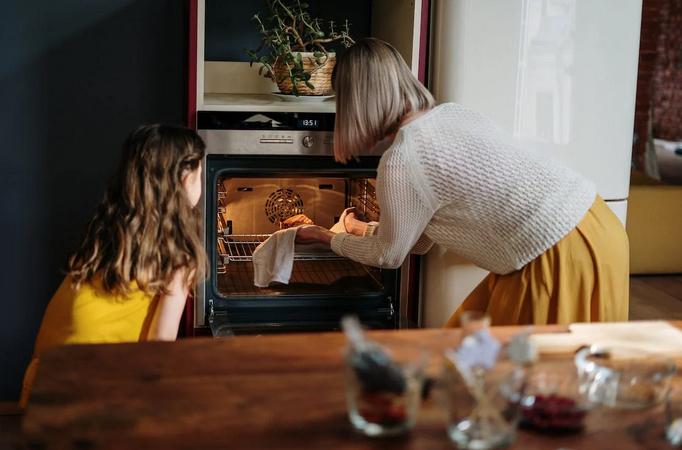
 One of the great benefits of using a steam oven is its excellent versatility for cooking various dishes. A steam oven can do everything if you want to steam vegetables, fish, or rice. And because the steam cooks the food evenly, you don’t have to worry about overcooking or undercooking any particular dish. So, let’s say you want to make a healthy stir-fry for dinner. You can easily steam your vegetables in the steam oven while your rice or noodles are cooking on the stovetop. It’s a one-pot meal that is not only healthy but also convenient.
 Another remarkable benefit of using a steam oven is that it results in better tasting food. The steam helps to lock in the flavor and nutrients of the food, so you can enjoy all the natural goodness of your favorite dishes. Whether steaming vegetables or cooking fish, chicken, or beef, you’ll notice a difference in taste when you use a steam oven. The food will be more flavorful and moist, and you’ll be able to taste the natural goodness of the ingredients. If you’re looking for a way to make your favorite dishes taste better, using a steam oven is definitely worth considering.
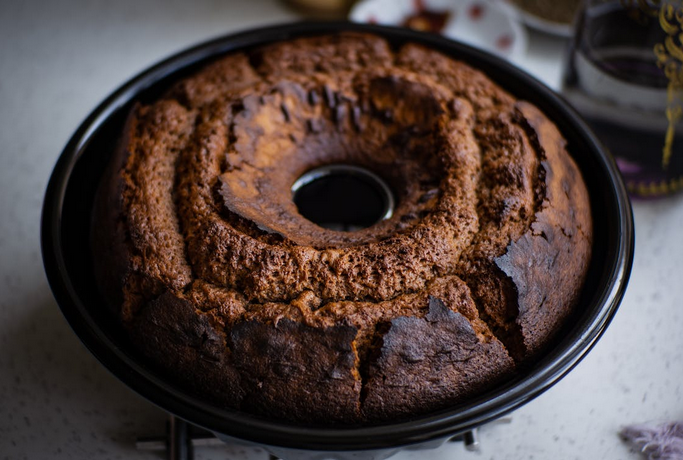 Do you often find yourself burning your food when you’re cooking? If so, using a steam oven can help lessen the burning risk. The steam helps to cook the food more evenly, so you don’t have to worry about overcooking or undercooking any particular dish. And because the steam locks in the flavor and nutrients of the food, you’ll also be able to enjoy all the natural goodness of your favorite dishes. Use a steam oven to lessen the risk of burning your food, especially as a rookie.
 What sleepover would be complete without pizza? You can either order out or make your own. However, many prefer cooking their own pizzas with their friends. It is a fun activity that everyone can enjoy. Plus, you get to choose your own toppings. If you do not have a pizza oven, we suggest that you buy an indoor pizza oven. If you want to know more about it, check
  If you and your friends are movie buffs, then a sleepover is the perfect time to catch up on all the latest releases. You can either rent movies from the store or stream them online. Pop some popcorn and get comfortable because you are in for a movie marathon. It is best that you also have some snacks and drinks on hand to keep everyone fueled throughout the night. If you guys like different genres, you can always take turns picking the movie. This way, everyone gets to watch something that they enjoy.
 The first step is to make sure that your credit report is error-free. You can get a free copy of your credit report from each of the three major credit bureaus yearly at AnnualCreditReport.com. Please review it carefully for any mistakes, such as incorrect late payments or outstanding balances that have been paid off. If you find any errors, dispute them with the credit bureau. You can also try to improve your credit score. The higher your score, the lower the interest rate you’ll be offered on loan.
 Don’t let emotions rule your purchase, no matter how much you love that new car. Stay focused on your budget to avoid paying too much. Remember that a car is a depreciating asset, so it’s mandatory not to overspend. Making sure your car payments are affordable will help you avoid financial stress down the road. Sometimes, people neglect that the car loan payment is not the only monthly car-related expense.
 If things go smoothly, you should be able to get approved for a car loan within a few days. Making sure you’re qualified for a loan before you start shopping can save you time and hassle. That’s why you need to get your paperwork ready and gathered. To get started, gather these items your most recent pay stubs, proof of any other income, such as alimony or child support, your most recent tax return, a list of your debts and monthly payments, and the value of any trade-in vehicle.
 The first thing to look for is a personal injury attorney with a strong professional network. This means that the attorney has a good reputation and is well-connected in the legal community. An excellent professional network will help your case get the attention it deserves. If the lawyer you are considering does not have a strong network, you may want to look elsewhere. Aside from a good network, the lawyer should also have experience in personal injury law.
 An experienced personal injury lawyer will understand the law and how it applies to your case. They will also be up-to-date on any changes to the law that could impact your case. Having a lawyer with expertise in personal injury law will give you the best chance of securing the compensation you deserve. This will also ensure that you are represented consistently with current law.
 One of the best things about playing dominoes online is that you can play anytime and anywhere. You don’t have to worry about finding a group of people to play with or reserving a table at your local casino.
 Playing dominoes online is a fun way to spend your
 The size is one of the most important factors to consider when purchasing a motor coach. You need to make sure that it can comfortably accommodate your entire party. If you have a large family or if there are many people in your group, be sure to get a bus that is big enough for everyone.
 Before making any final decisions about which


 Time is money. We all know that. Additive manufacturing allows you to create custom tooling, samples, or molds in a fraction of the time and cost. Different geometries can be produced with the same tooling and CAD software. There is less waste than traditional prototyping techniques like CNC machining. Rapid prototyping does not require more material to manufacture the product.
 Always use appropriate language in business letters. Revenue letters should appeal to potential customers. However, if the revenue letter discusses warranty, transportation, and other matters of the heart, use a formal tone.
 Always write a business or sales letter if you are addressing a private individual, for example. The reader should not feel like they are reading a pamphlet. The letter should have the effect of a personal conversation. One of the best ways to improve your
 Both items which have the most significant effect on the fashion of your engagement ring would be your center stone’s shape along with your setting fashion. Your participation ring’s placing will also affect its style. Settings can be timeless, vintage-inspired, contemporary, unique, and much more. Engagement ring settings are available in many different precious metals. And, frequently, the identical setting design can be earned in different metals. Your selection of metal will affect your ring’s design and just how much maintenance it might require.
 People commonly confuse warranties for jewelry insurance, whenever these items are different. Normally, guarantees like our standard of Mind extended upkeep program, shield you from making defects and regular wear and tear in your ring to be certain that your jewelry constantly seems display fresh, whilst jewelry insurance may protect you from things such as casual theft, or reduction.…

 In this present moment, you might make some progress. If you’re dissatisfied with your progress, you may start comparing yourself to other people, which makes you feel even worse and stifles motivation. Besides, it could trigger you to always compare yourself to other people. In this case, you won’t appreciate your progress and blame yourself as always. Therefore, it is essential to comprehend your progress to acknowledge your struggles.

 Approximately 40 percent of seeds are composed of omega-3 and omega-6 fatty acids and 33 percent protein. It is the second-highest protein level in food, which is surpassed only by soybeans, which contain 35 percent protein. It is also considered one of the safest foods, as it does not contain gluten and can be consumed by people with additional food intolerance (such as lactose, gluten, or sugar). That being said, there are no known allergies to it. Hence, all different kinds of people can benefit from these cannabis seeds.

 It is a fantastic idea to register to get a free-of-charge membership with a tremendous stock photo service. Frequently, these agencies deliver free newsletters and
 The maturation of
  Today, thousands of species have gone extinct because their habitats have disappeared. These animals, birds, and insects created a much better environment for us and provided us with these things: they are not just creatures, but the real creators of personalities. When they are gone, so are we. Carbon dioxide and other greenhouse gases produced by civilization are warming the atmosphere at a rate not seen in centuries. Human disturbance has attracted the character of near devastation. Most of us must unite to stop the pollution and save the environment and humanity.
 These technological changes are a warning of the devastation of the world. Most of us need to be aware of these effects. The evidence is disturbing: we are destroying our earth and our environment. Let’s do all we can to protect ourselves from it. Use our bicycles as much as possible. Don’t use precious water and electricity. Don’t use plastic as soon as you can avoid it. Don’t let anyone cut down trees. Speak out and write against outsourcing companies. Ask the police to use unconventional energy resources (electricity, water, sunlight, and biomass). Make students and citizens aware of the importance of preserving the environment and what we can do to protect the environment, forests, and wildlife.
 Suppose you do not sign a premarital agreement. In that case, local laws will automatically govern your divorce, especially if you have plans to move to California, a community property state. That means each spouse automatically has a 50% interest in all assets acquired during the marriage, including business earnings, retirement, and more. For most couples, this is perfectly fine.
 People prefer to know that the equipment they buy will eventually pay somehow in tax terms. It can be difficult to find out exactly how things are when it comes to burning water, whatever it is. This includes kitchen appliances like the dishwasher, as well as the washing machine.
 This is something to get used to, but then you may wonder how you have withstood heavy rain for so long. People who have lived their whole lives with the harshness of showering are used to feeling pretty dry and squeaking every time they run away. This is not true if you have a water purification system.


 Many grocery stores also offer you a reduction in their wide variety of products if you store with a reusable non-metallic vinyl shopping bag. So if helping to preserve our planet isn’t incentive enough, is it just a matter of saving a few “green” products?
 The average American office worker uses over 400 cups of disposable plastic, paper, and polystyrene independently each year. Recent studies and information in the Environmental Protection Agency report show that only about 2 percent of plastic bags are recycled in the United States.

 With a handy technology on your smartphone, you can make a special online gift to your loved one. It is also beneficial to those who are in a long-distance relationship. You can use a service like Google Video or any video editing to make a sentimental movie from your photo collections with him/her. After that, you can send it to them through email or any platform you might think suitable for both of you. An excellent advantage of this particular gift idea is its free cost. This way, you can save your money to spend with your loved one on Valentine’s Day or the following days.
 Customized Chocolate Candy